
Case Study: How Parents Choose the Right Baby Stroller (Across Different Lifestyles)


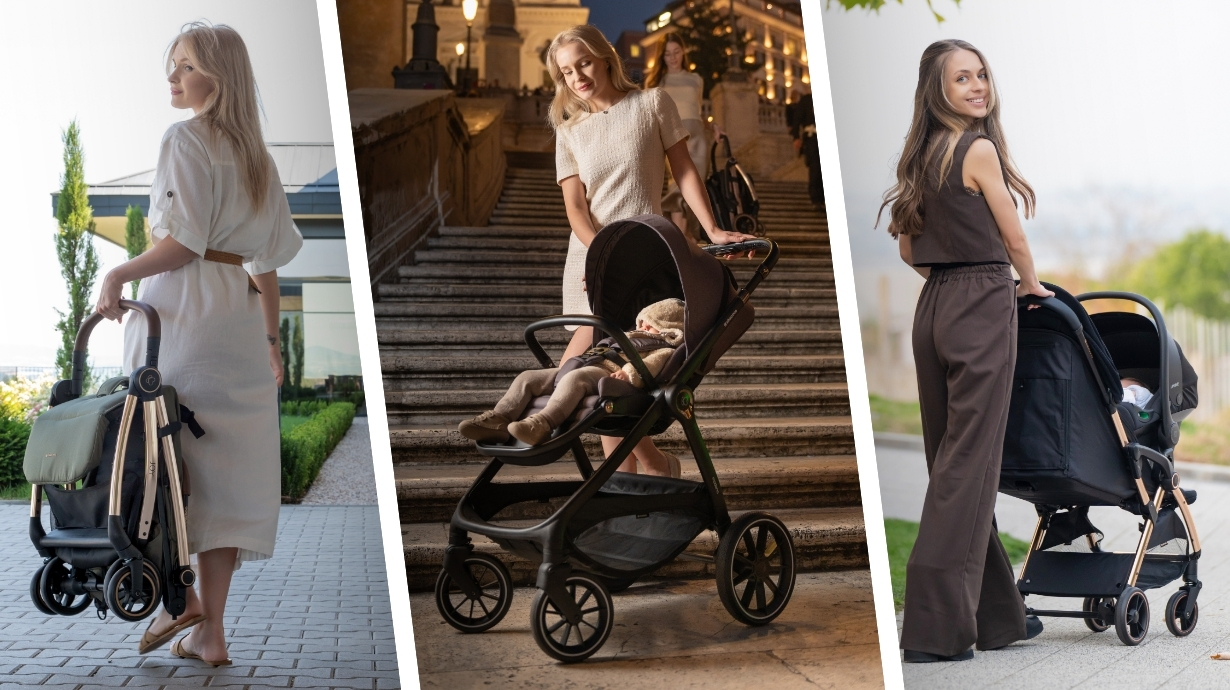

One Decision, Many Real-Life Situations
Choosing a baby stroller isn’t just about features—it’s about lifestyle. While all parents want safety and comfort, the way they use a stroller depends heavily on their daily routine, environment, and habits.
This case study explores real-world parenting scenarios and how different needs lead to different pushchair choices—offering valuable insights for modern baby brands like KikkaBoo.
Case 1: The Urban Parent
Profile: Lives in a busy city, relies on public transport, limited storage space.
Key Needs:
-
Lightweight and compact folding
-
Easy maneuverability in tight spaces
-
Quick one-hand operation
Decision Behavior:
Urban parents prioritize convenience above all. A stroller that folds quickly and fits into small spaces (apartments, elevators, car trunks) becomes essential.
Insight: Compact design and ease of use are critical for city living.

Case 2: The Traveling Family
Profile: Frequently on the move—weekend trips, holidays, or visiting family.
Key Needs:
-
Travel-friendly design (lightweight, foldable)
-
Compatibility with car seats
-
Durability for different environments
Decision Behavior:
These parents look for all-in-one solutions like travel systems that simplify transitions between car, airport, and walks.
Insight: Versatility and portability drive purchasing decisions.

Case 3: The Practical Planner
Profile: Budget-conscious but focused on long-term value.
Key Needs:
-
Multi-functional use (newborn → toddler)
-
Complete sets (carrycot, seat unit, accessories)
-
Strong price-to-quality ratio
Decision Behavior:
Rather than buying multiple products over time, these parents prefer a single investment that grows with their child.
Insight: Value and longevity outweigh short-term trends.

Case 4: The Style-Conscious Parent
Profile: Cares about aesthetics as much as functionality.
Key Needs:
-
Modern, elegant design
-
Coordinated accessories
-
Premium look and feel
Decision Behavior:
For this group, a stroller is not just a tool—it’s part of their lifestyle and identity. Design, colors, and materials play a major role in the final choice.
Insight: Design and branding influence emotional buying decisions.

Case 5: The Comfort-Focused Parent
Profile: Prioritizes the baby’s well-being above all.
Key Needs:
-
Soft, supportive seating
-
Suspension for smooth rides
-
Adjustable positions (sleeping, sitting)
Decision Behavior:
These parents carefully evaluate comfort features, especially for newborns and longer walks.
Insight: Comfort and safety remain universal priorities across all segments.

Key Global Takeaways
Across all scenarios, several consistent patterns emerge:
-
Parents don’t buy products—they buy solutions to their daily challenges
-
Multi-functionality is one of the strongest decision drivers globally
-
Ease of use often outweighs technical specifications
-
Emotional factors (trust, design, comfort) are just as important as price
What This Means for Modern Baby Brands
For brands like KikkaBoo, success lies in understanding these real-life use cases:
-
Designing products that adapt to different parenting lifestyles
-
Offering complete solutions, not just standalone products
-
Balancing functionality, design, and affordability
-
Communicating benefits through real-world scenarios parents relate to
Conclusion: The Right Stroller Fits the Family’s Lifestyle
Every family has different routines, priorities, and expectations when choosing a baby stroller. What works perfectly for one parent may not be the best fit for another.
By understanding real parenting routines and everyday challenges, baby brands can create products that offer more than functionality. They can provide practical, comfortable, and stylish solutions that support modern families in every stage of their journey.